Leo Saves the Swamp
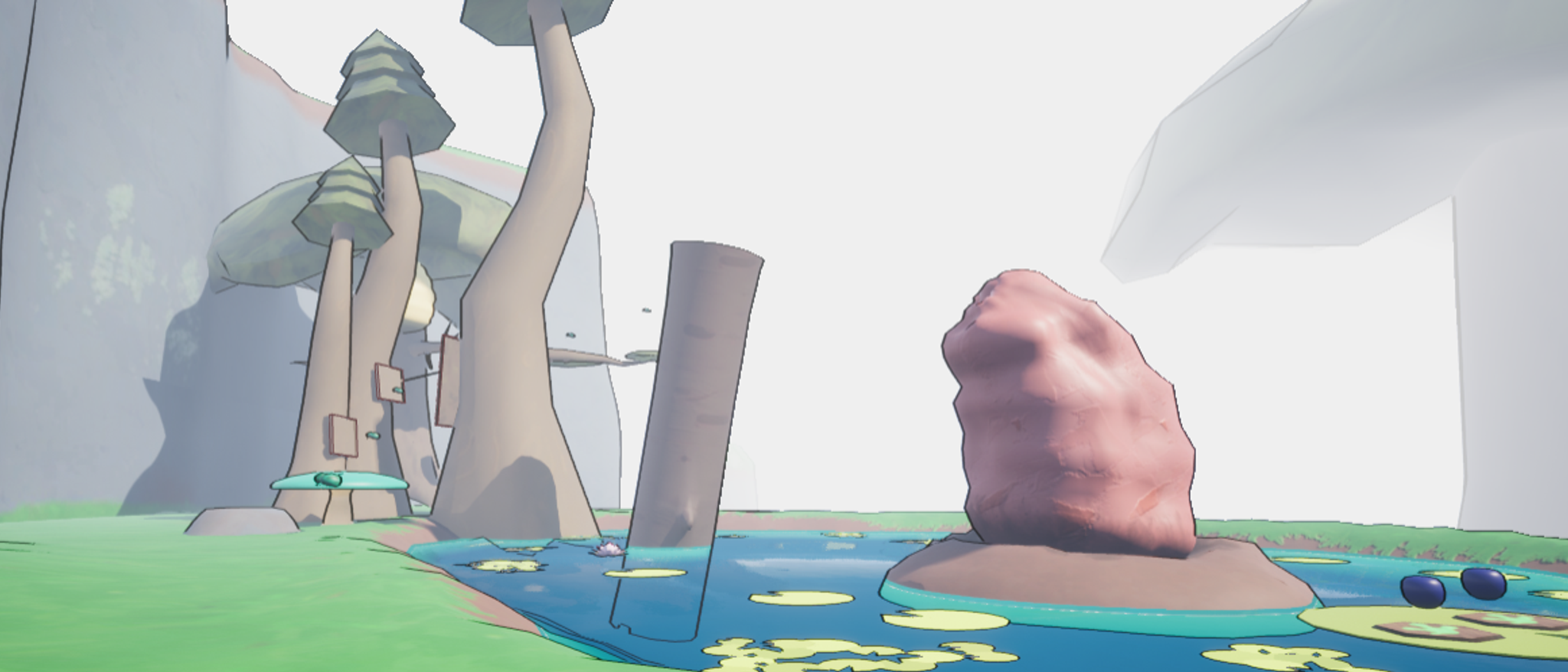
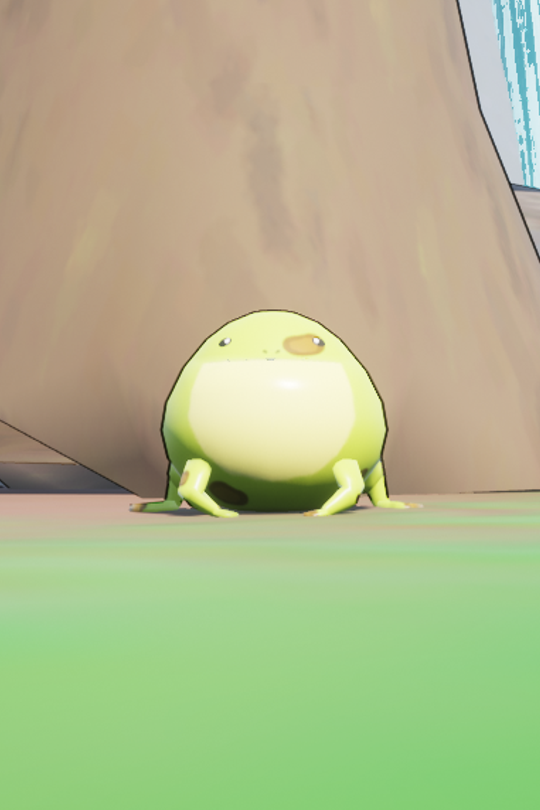
One day a small frog named Leo is gazing at the clouds till a large object burst through the sky, and lands in the forest. The meteor opens, releasing hoards of dangerous flies that kill plants they touch. Now with an empty stomach and even emptier mind, our hero must rid his home of this alien menace! This project was a 2-week game jam challenge to create a physics-based "Foddian" platformer, inspired by games like Jump King.
Design Focus (My Role: Team Leader & Designer)
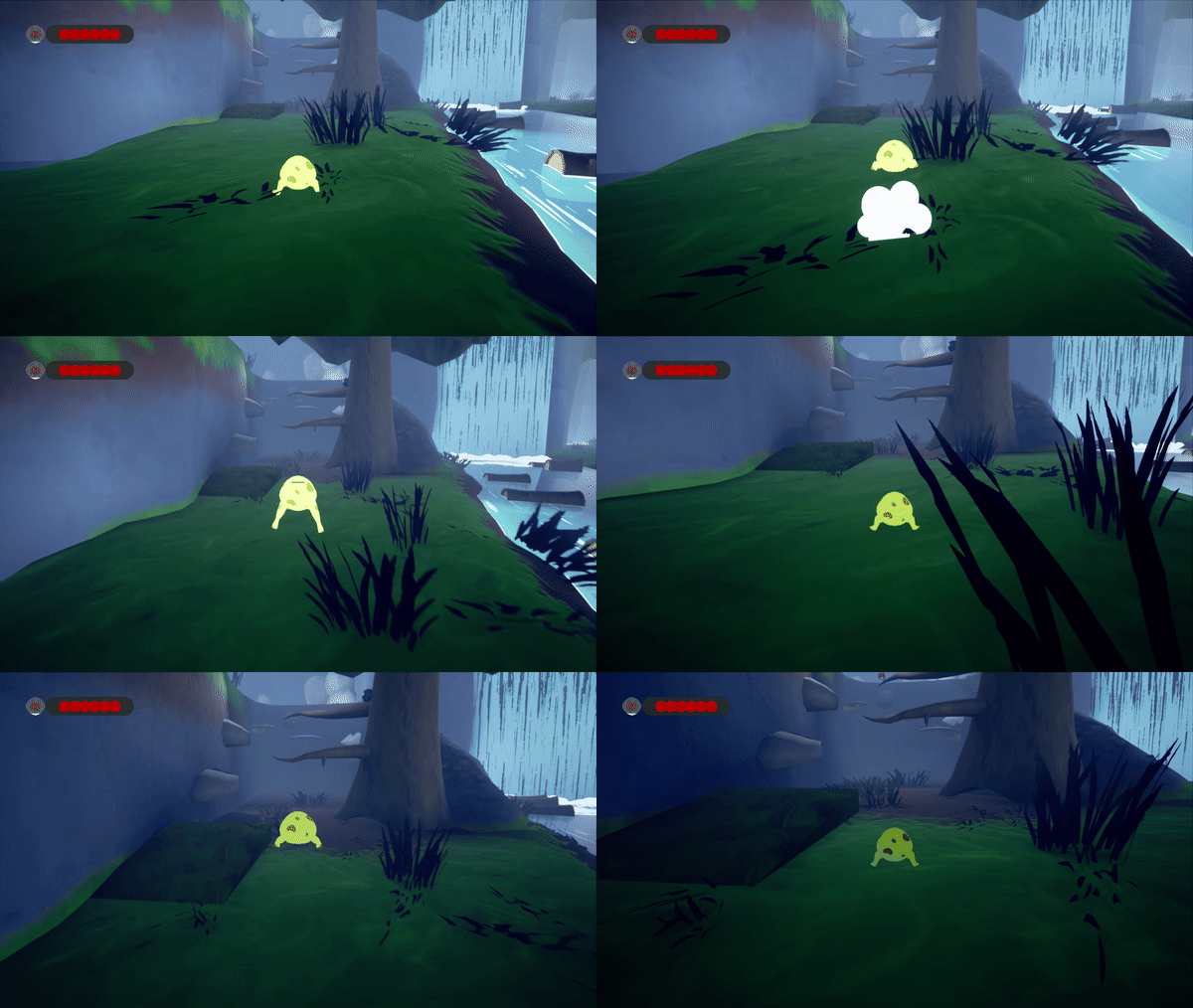
- Hopping Movement System: The foundation of the Foddian design, requiring charged jumps for variable distance and control.
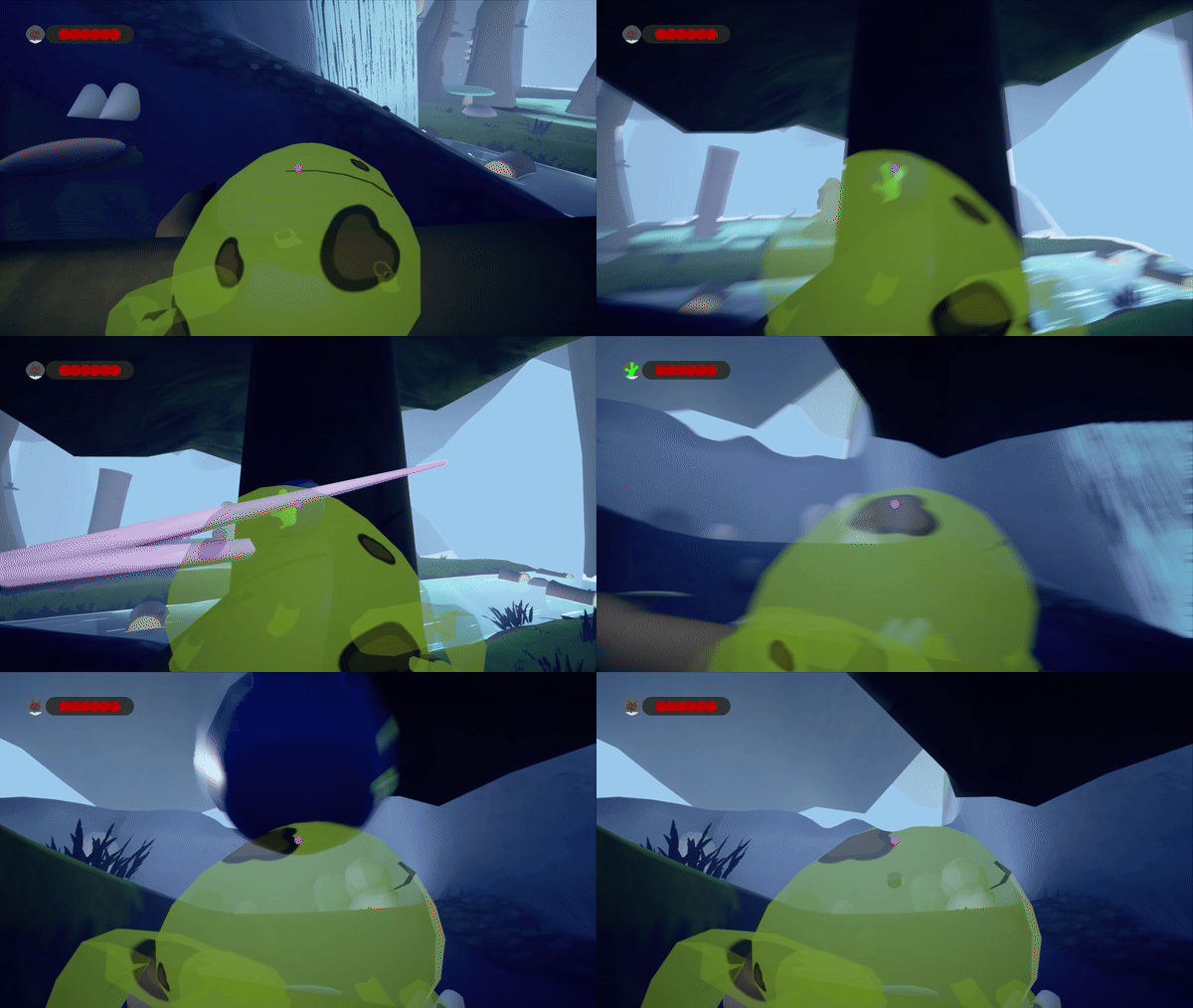
- Swallowing and Shooting System: Core combat and puzzle mechanics for using flies and blueberries.
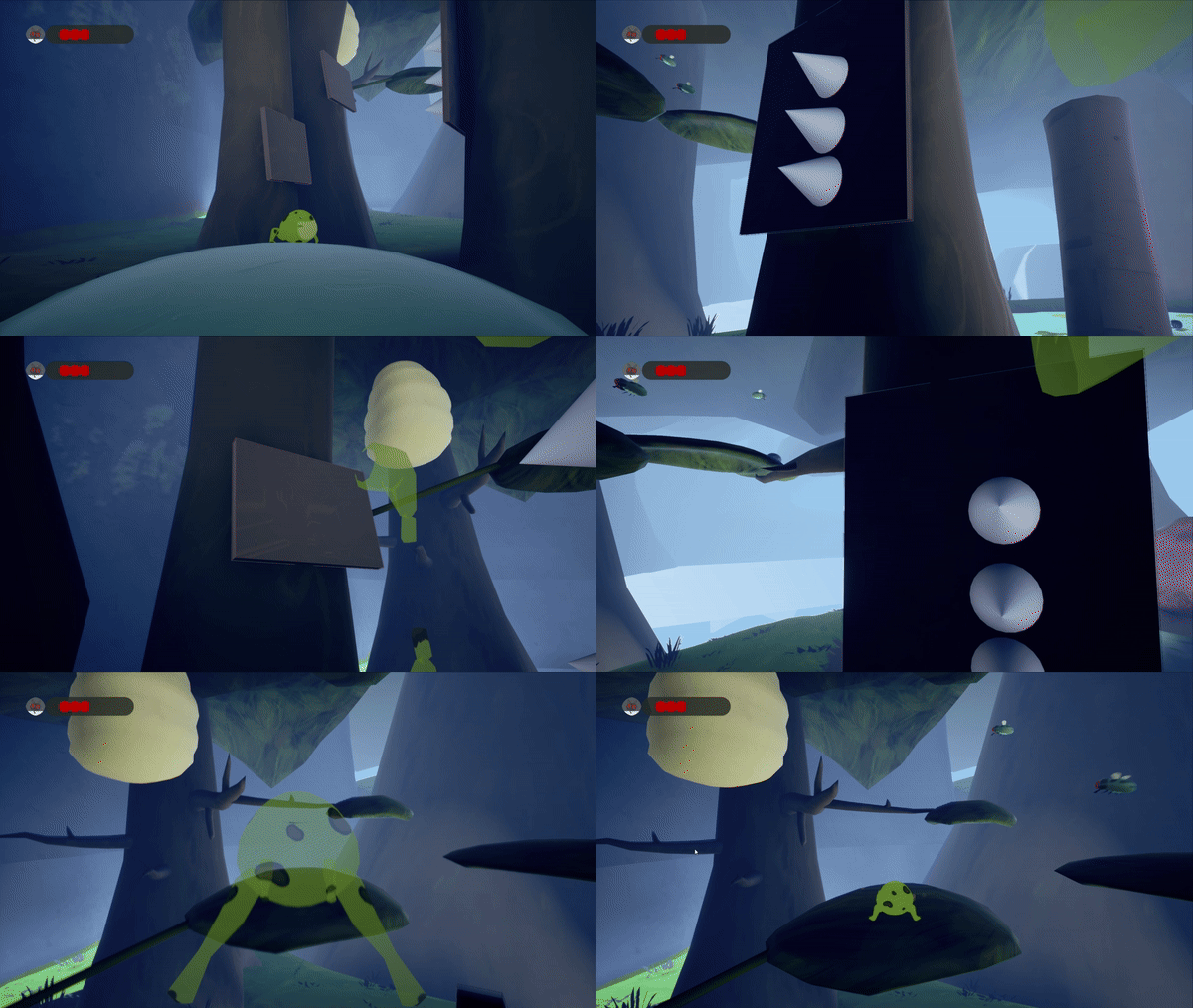
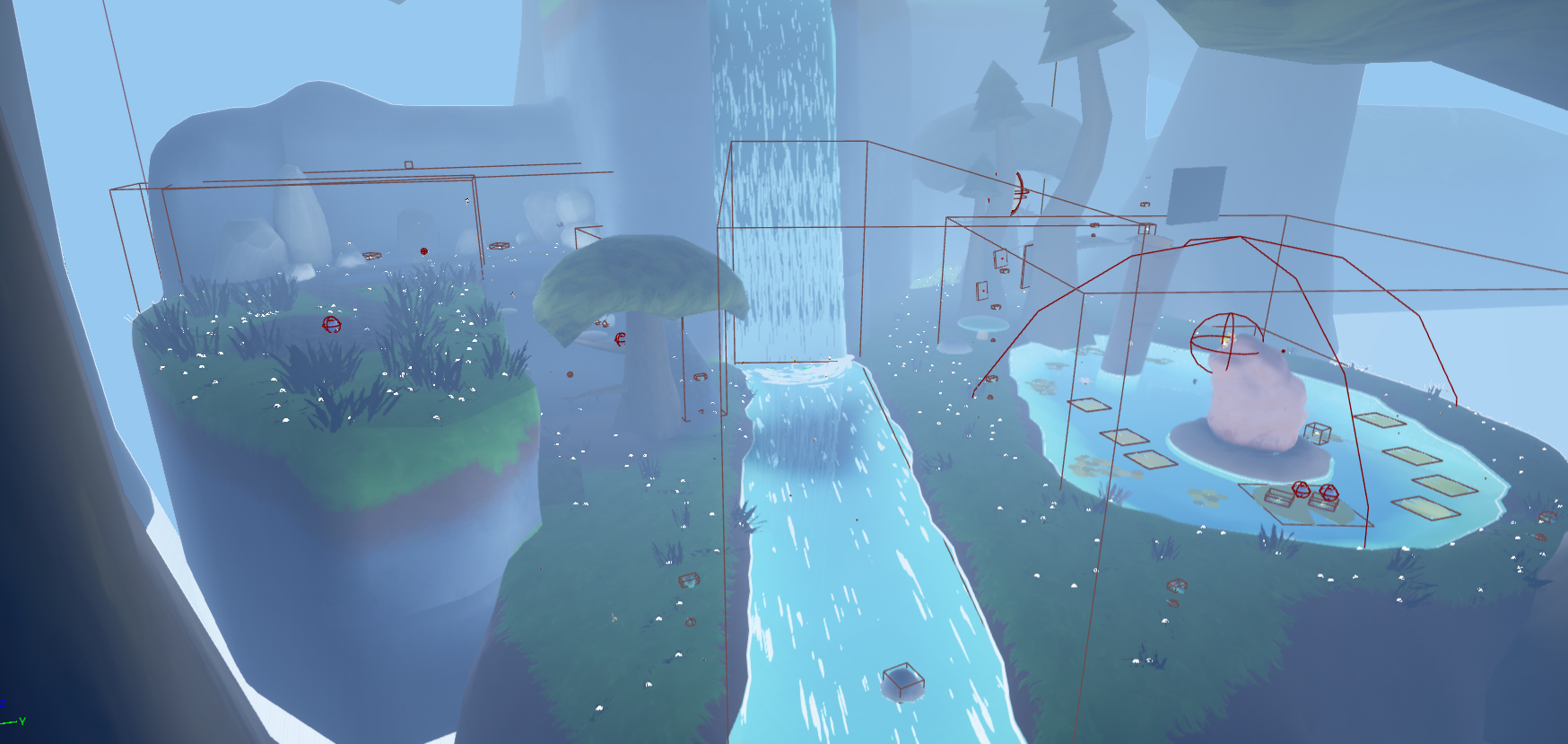
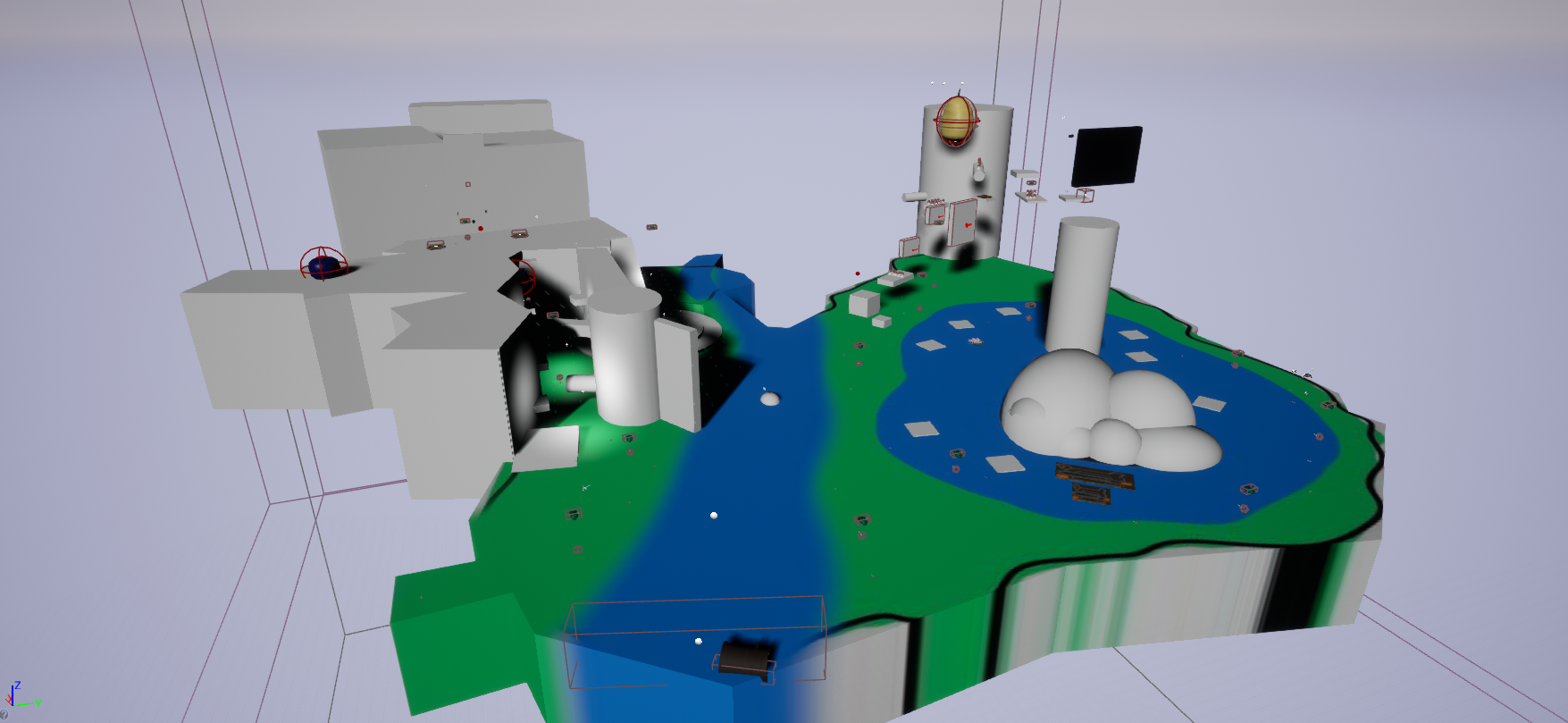
- Level Design: Architecting a challenging, multi-layered swamp environment that leverages the unique movement.
- Puzzle Design: Creating obstacles that require precision jumping, shooting, and resource management.
- Enemy AI Abilities: Defining the pathing and threat level of the alien flies.
Programming & Technical Magic (My Role: Programmer)
- Movement System: Coded the unique charged-jump movement and physics, including the Wall Jump System.
- Swallowing System: Engineered the logic for Leo to take in flies and blueberries.
- Shooting System: Implemented the projectile mechanics for spitting out objects to solve puzzles.
- Collectathon Mechanics: Programmed the fly collecting progression system.
- Death and Respawn System: Established the punishing death and respawn loop integral to the Foddian genre.
- Fly Enemy Pathing: Developed the basic AI for the alien flies.
- Cinematic & UI Systems: Implemented the in-game cinematic sequences and user interface.
Key Features
- Keystone Movement System: Instead of standard movement, players hold the jump button to charge distance, offering a high-skill, challenging core loop inspired by Jump King.
- Wall Jump System: Designed and programmed a complementary wall jump that expands movement options and level scope.
- Swallow/Spit Puzzles: Swallowing flies is required for progression; swallowing and shooting blueberries is key to solving physics-based puzzles.
- Foddian Challenge: A steep difficulty curve with high stakes for mistakes (losing progress upon death).