← Back to Portfolio
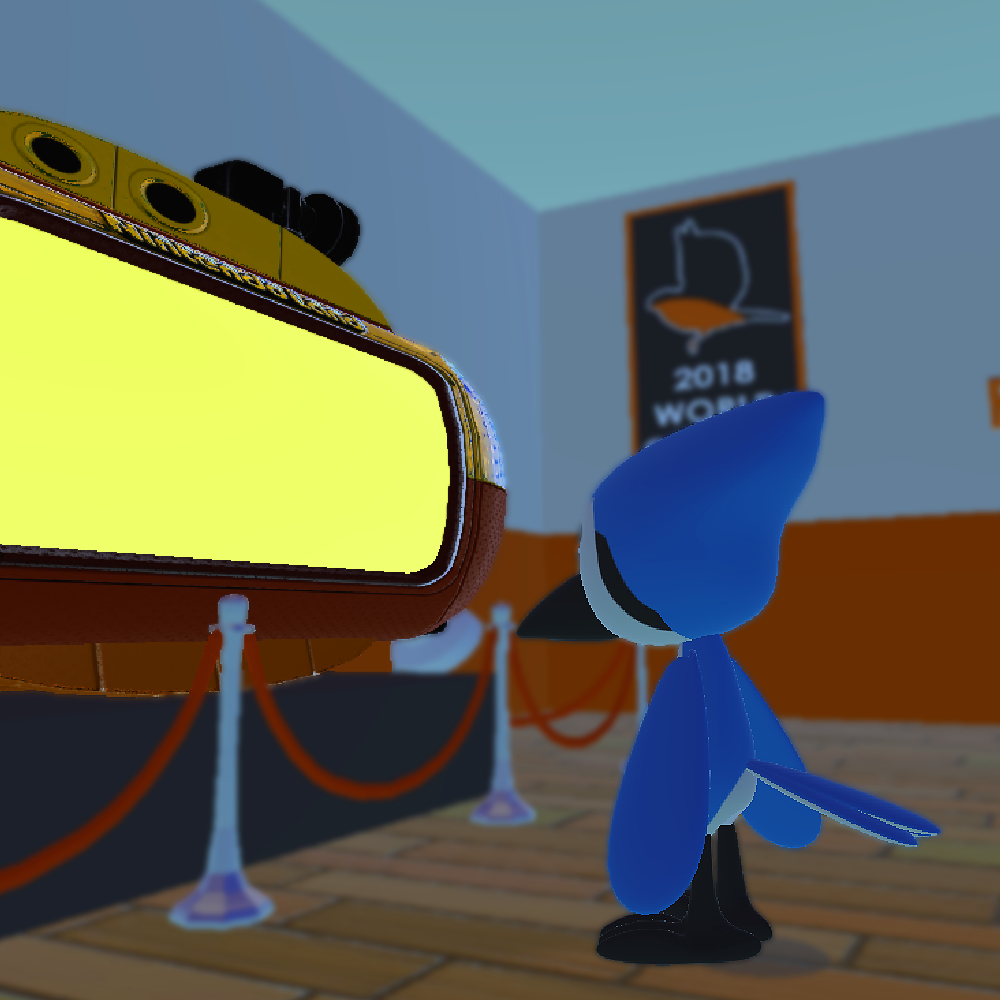
Jay the Blue Jay Looking at Art

Clipped Wings

Genre: 3D Puzzle Platformer
Engine: Unity
Team Size: 1
Development Time: 5 months

Jay the Blue Jay was a loud and arrogant bird, with a love for daring aerial stunts and tricks. In Clipped Wings, Jay's world crashes down when an accident robs him of his ability to fly. Stripped of his wings and grounded for the first time in his life, Jay embarks on a journey through the five stages of grief, fighting with his new reality.

Design & Focus

As the sole developer, I designed the entire experience, centered around showcasing a positive journey through mental health.

  • The Narrative Arc: Focused on symbolizing the stages of grief (Denial, Anger, Bargaining, Depression, Acceptance) through unique level mechanics.
  • The Core Loop: Defining core gameplay around Jay's limited movement and environmental puzzles influenced by his emotional state.
  • The Map: Designing levels and layouts to represent abstract emotional landscapes and the struggle of acceptance.
  • The Framing: Crafting Camera Mechanics to frame the world for maximum emotional and narrative impact.

Programming & Mechanics

  • Built a responsive player movement controller specifically designed for the grounded bird protagonist.
  • Developed Camera Systems for cinematic and gameplay use.
  • Engineered a flexible and reusable Dialogue System for advancing the story.
  • Implemented all core Puzzle Mechanics for the Denial, Anger, and Bargaining stages (C# scripting).
  • Created an efficient Save System to persist the player's progress.
  • Custom Cinematic System for scripted in-engine moments.
  • Designed and coded the User Interface System for menus and in-game HUD.

Key Features - Treasures Discovered

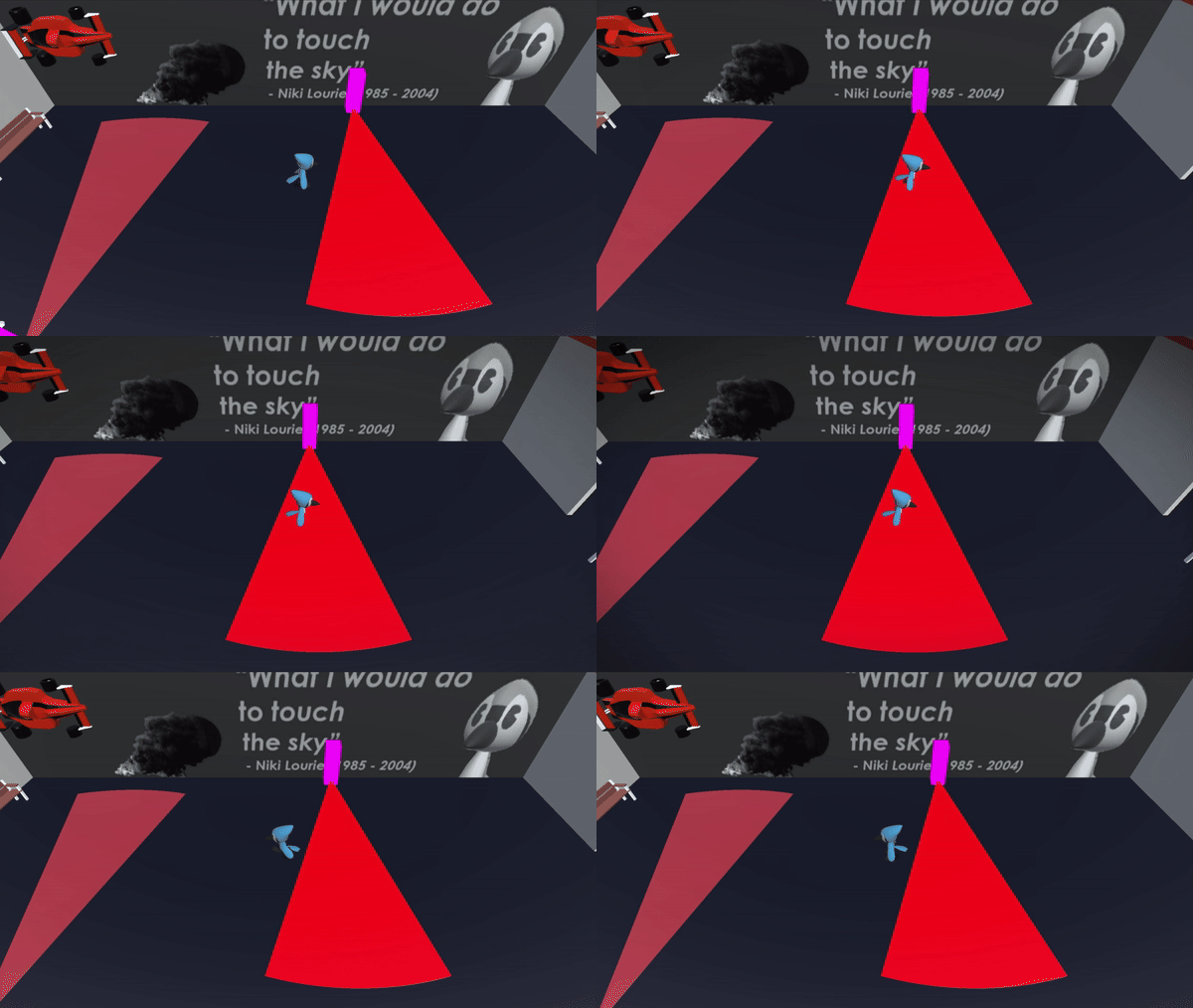
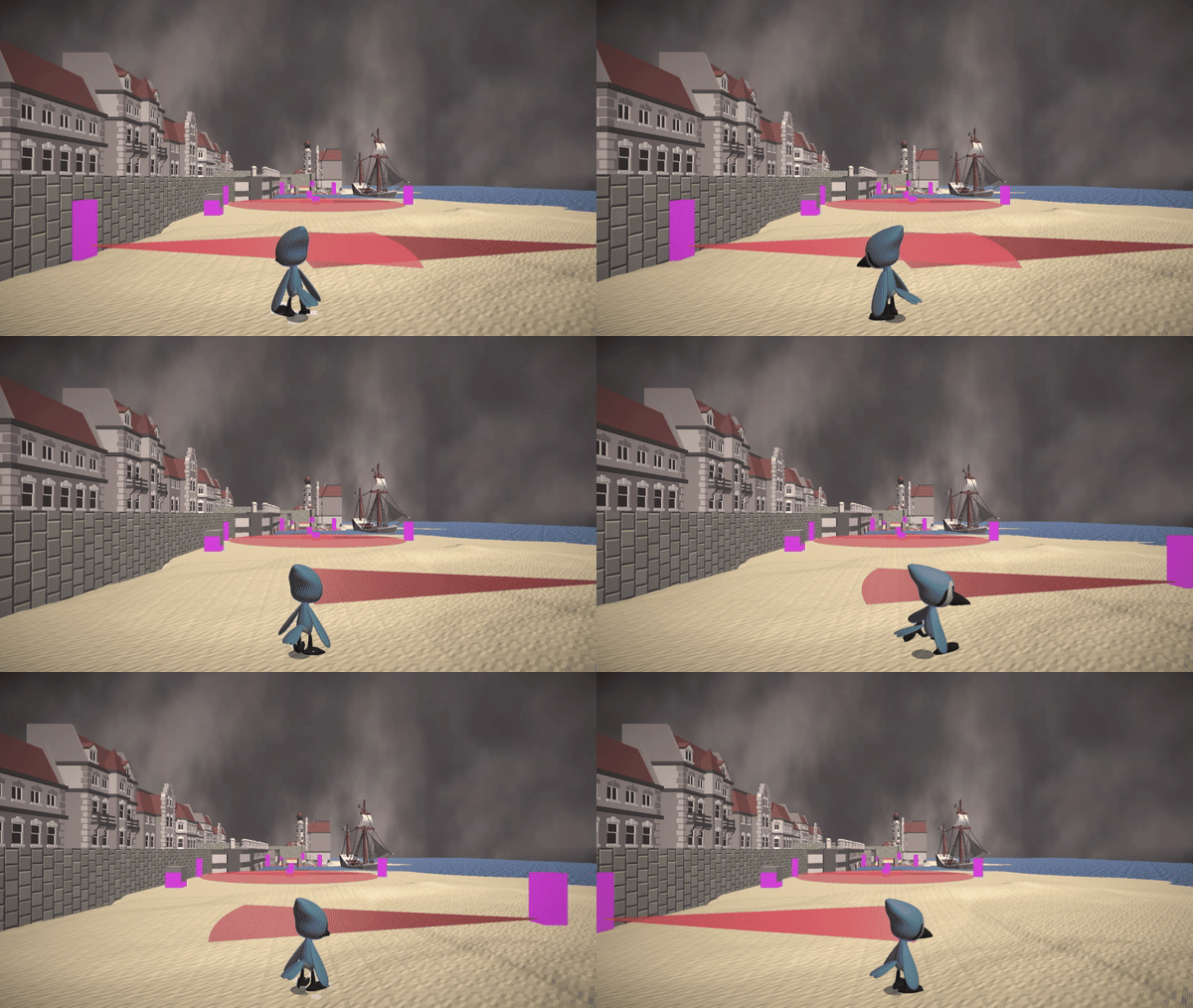
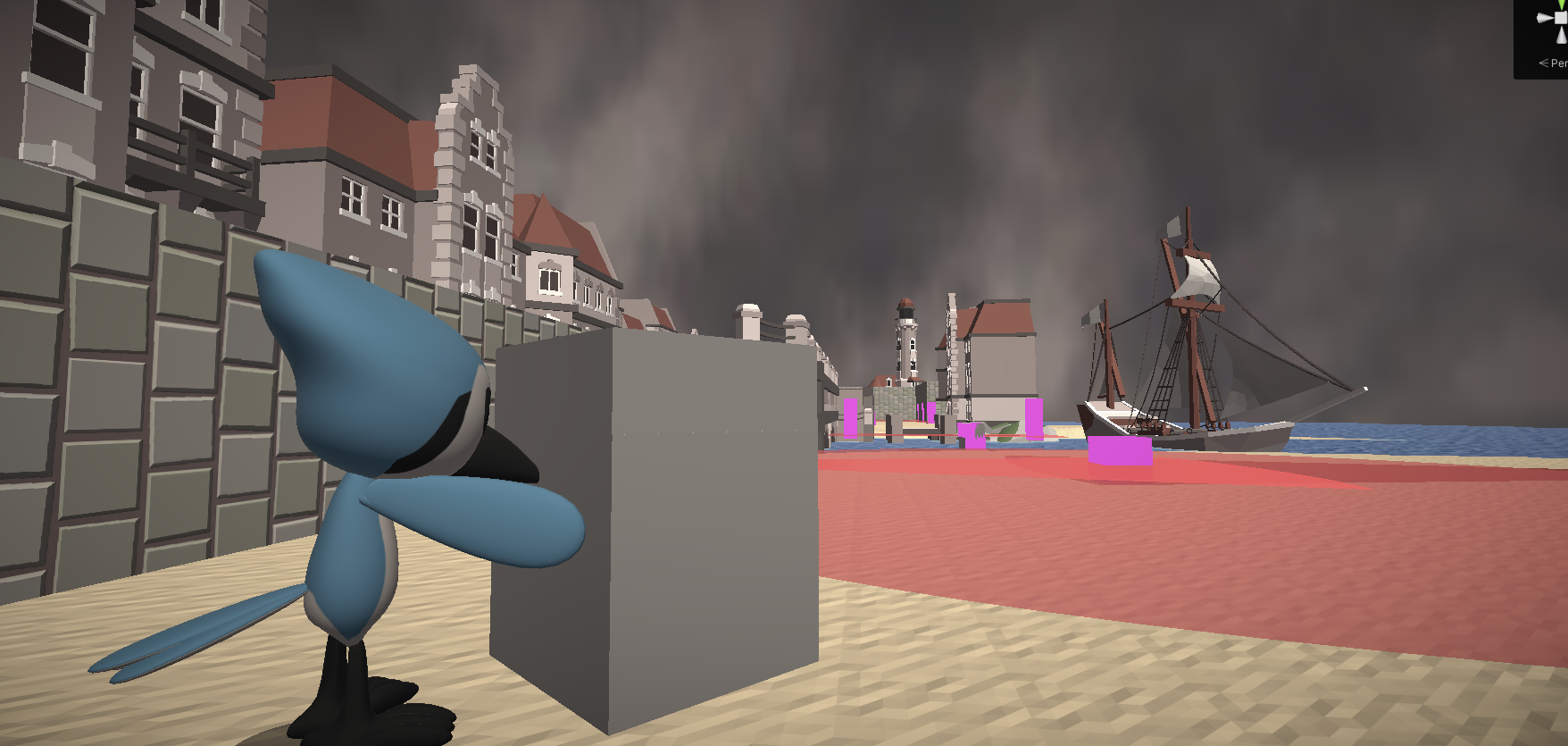
  • Anxiety System: A dynamic mechanic where red hazard zones cause the camera to shake and a vignette to appear, symbolizing Jay's growing anxiety.
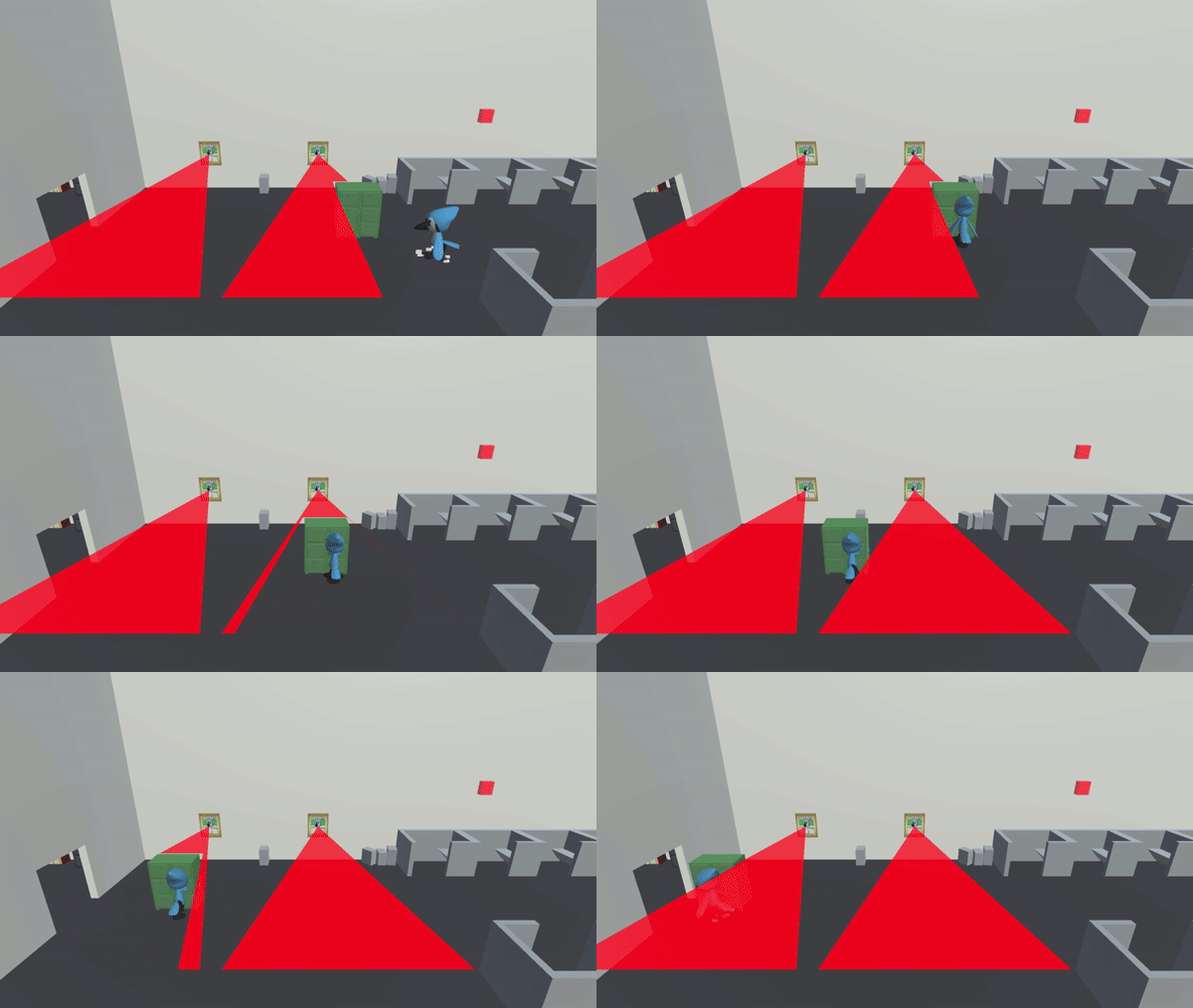
  • Denial Mechanic: Allows the player to temporarily 'deny' a single red anxiety area, removing it to solve a puzzle, but causing a previously denied area to reappear.
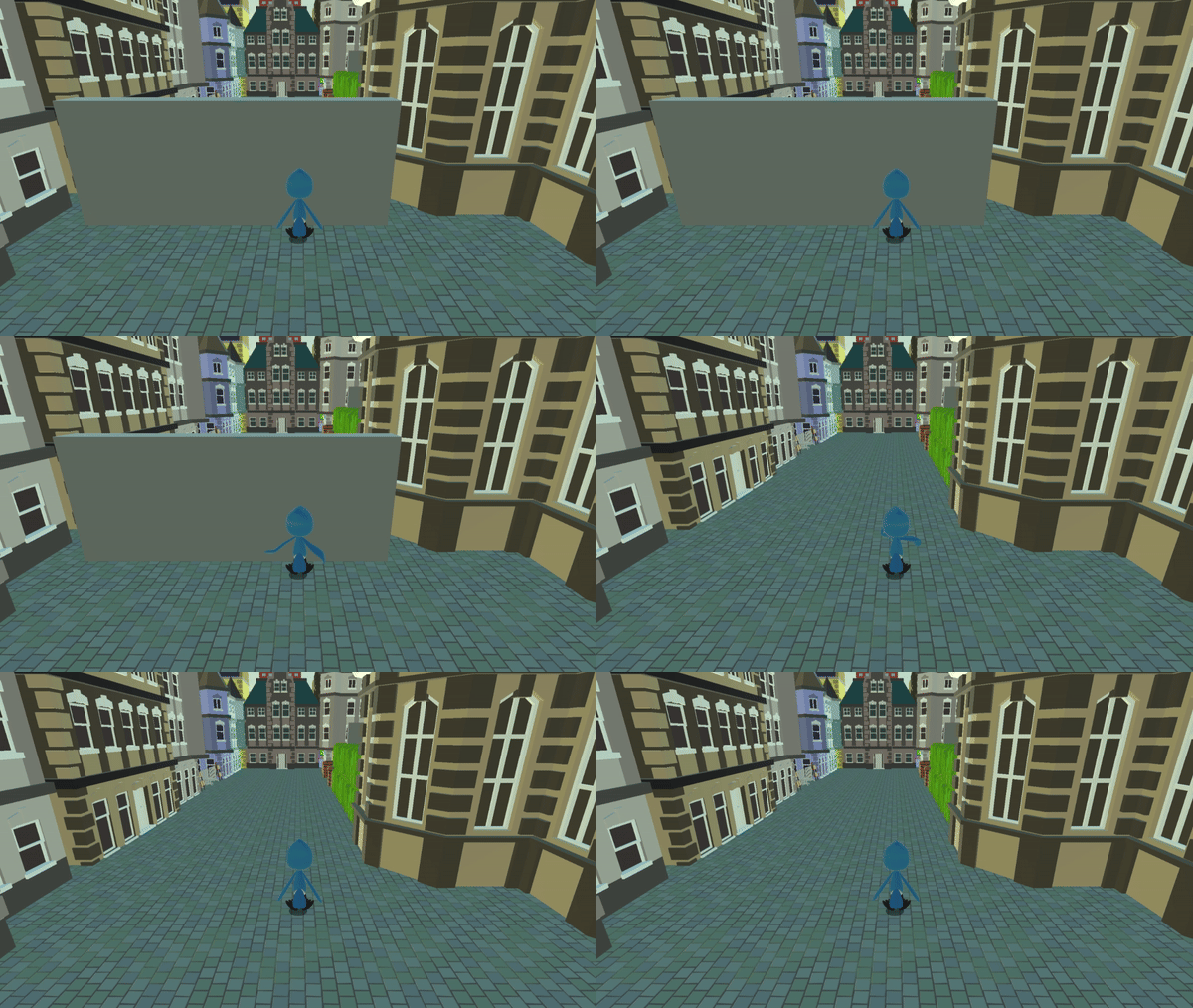
  • Anger/Punch Mechanic: Players can break through specific walls by punching, with the force and effectiveness scaled by Jay's rising anger level.
  • Object Manipulation: Implemented a grab and push system to block anxiety zones or move platforms.

The Exhibit

Anxiety System Gameplay Loop
  • Dynamic Anxiety System: This sequence demonstrates the core mood mechanic. When Jay sits in red areas, his anxiety grows, resulting in a shaking camera and an intense vignette to communicate the emotional pressure.
  • Technical Detail: The visual and camera effects are driven by an anxiety variable (`float`) that smoothly interpolates between zero and one, controlling post-processing volumes and Cinemachine properties.
  • Design Goal: To create a constant, visible, yet manageable challenge related to Jay's emotional state.
Grabbing Objects to Block Anxiety Zones
  • Grab and Push Mechanic: To combat the Anxiety system, players can grab and move objects to block the red hazard zones. This is a foundational puzzle element.
  • Technical Detail: Uses a Raycast check for interactable objects and a Parent Constraint to simulate grabbing, allowing for controlled physics-based pushing.
  • Importance: Provides the player with agency and a means to overcome environmental obstacles.
Denial Mechanic in Action
  • Denial Stage Mechanic: This mechanic allows the player to temporarily deny a red area's existence, making it disappear. Crucially, you can only deny one area at a time, forcing players to choose which obstacle to ignore.
  • Technical Implementation: Managed by a global static reference that tracks the currently denied object. When a new object is denied, the previous one is instantly reinstated.
  • Narrative Connection: This mechanic directly symbolizes the fleeting, temporary nature of the Denial stage of grief.
Anger Punching Through Walls
  • Anger Stage Mechanic (Wall Breaking): Players can use their anger to punch through certain walls. The more they punch, the angrier (and stronger) Jay becomes.
  • Technical Implementation: Punch power is tracked by an `AngerLevel` variable. Walls have a required `Resistance` value, and a raycast determines the punch hit.
  • Design Detail: Different walls require different levels of accumulated anger, forcing players to manage this resource.
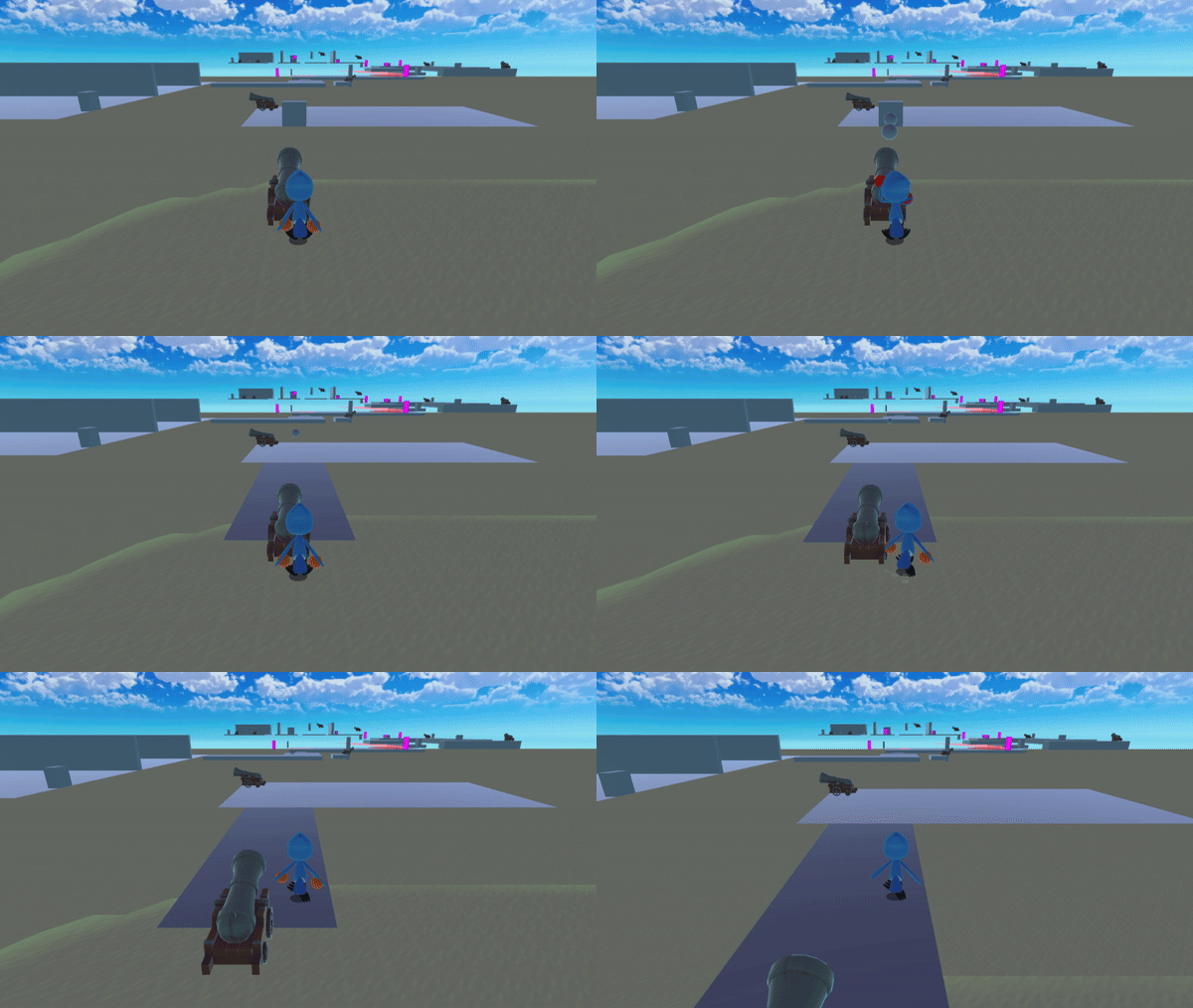
Anger Used to Shoot Cannon
  • Anger Stage Mechanic (Environmental): Anger is not just for breaking; it can also be used to interact with certain environment objects, like releasing platforms or shooting cannons to create new pathways.
  • Experience Focus: Demonstrates how the core emotional mechanics are integrated into puzzle solving across the entire environment.
  • Additional Feature: The game also features a flexible chatting system for advancing the story.